Tuesday, October 3, 2023

*Cough**Cough* Oh no! Where Are the Antibiotics?! Stop! …Resist That Urge!


“If we use antibiotics when not needed, we may not have them when they are most needed (1).” This is a quote from Tom Friedman, the director for the CDC (center for disease control) from the year 2009 to 2017. There are many people who think that they need antibiotics every time they get sick or begin to feel a little “under the weather”. Antibiotics are likely the comfortable choice of treatment given that they are safe (when used correctly) leading patients to be more agreeable to take a prescribed antibiotic rather than an unfamiliar therapeutic. Although antibiotics are viewed by many as the automatic, first line of treatment whenever they become ill, this is not always the best option. Taking antibiotics unnecessarily contributes to our rising antibiotic resistance crisis. Ceasing the overuse and misuse of antibiotics is paramount in fighting this crisis.

 What are antibiotics?

             Antibiotics are a type of medication that should be taken when a patient has a bacterial infection. Some examples of bacterial infections include strep throat and urinary tract infections (commonly referred to as “UTI’s”). They function by either killing the bacteria or by making it really difficult for bacteria to grow and reproduce. This medication can be given orally (in the form of a pill, capsule, or liquid), through injection via an IV (intravenously), or as a cream, spray, or ointment (2).

From: https://www.cell.com/trends/biotechnology/fulltext/S0167-7799%2819%2930249-5

What’s the big deal?

             When antibiotics are taken incorrectly several problems can occur.  Contrary to common belief, an antibiotic will not treat an illness caused by a virus or fungus. This means that taking an antibiotic, when you have an illness caused by a virus or fungus, is completely unnecessary and it will not treat that illness. Whenever someone takes an antibiotic unnecessarily, they are contributing to the possibility of creating antibiotic resistant bacteria within their body. Another problem that occurs when using antibiotics incorrectly or unnecessarily is that of a person taking too low of a dose. This often contributes to bacterial resistance to said antibiotic in the bacteria that are not killed because the dose was insufficient.  Antibiotic resistance is also an outcome that occurs naturally (without misuse of antibiotics) in bacteria, and other microorganisms such as parasites, viruses, and fungi. The natural process of antibiotic resistance can occur when bacteria experience genetic changes and therefore are no longer affected by the presence of certain (or sometimes all) antibiotics (1).

 Using the previous example to illustrate, when bacteria are exposed to an antibiotic in a low enough dose that not all the bacteria will be killed, the bacteria who survive build-up an “immunity” to that medication in the similar way that people develop an immunity to diseases when they are exposed. These bacteria who gained “immunity” or resistance against the antibiotic they were exposed to go on to reproduce and create more bacteria that are resistant to that same antibiotic (1).  Whenever there are bacteria that are produced that are resistant to all of the known antibiotics, they can then be classified as a superbug (which are extremely difficult to treat given that they do not respond to the regular antibiotics; (1). 

From: https://www.downtoearth.org.in/cartoon/simply-put-antibiotic-resistance-69030

What can you do?

             In the fight against antibiotic resistance, it is very important that everybody does their part. This may look different depending on who you are and what you do for a living, but every little bit counts. One of the most necessary modes of action everyone can enforce is to finish the entire round of antibiotics that your provider has prescribed to you. This means that you cannot stop taking your medication simply because you “feel better”, which is a common mistake that people make. It is also important to only take antibiotics that are prescribed for your specific case. For example, not all antibiotics are created equally, some may not be strong enough for one type of bacterial infection however, another antibiotic may be too strong for your specific bacterial infection, and this could result in the death of healthy bacteria. If too many healthy bacteria are killed, a patient can experience a second infection with a bacteria known as C. diff (Clostridioides difficle), which causes extreme diarrhea and colon damage that can result in death if left untreated (2). So, the next time you feel the urge to not finish your antibiotic prescription or to take some antibiotics that you had “leftover,” consult a medical professional to ensure you have accurate and sufficient treatment. 


From: https://unfoundation.org/blog/post/what-is-antimicrobial-resistance-and-what-can-you-do-to-stop-it/

By Holly Christian, a Master's of Medical Sciences student at the University of Kentucky

References

(1) Gautam, A. (2022, February 15). Antimicrobial resistance: The next probable pandemic. JNMA; journal of the Nepal Medical Association.  https://pubmed.ncbi.nlm.nih.gov/35210634/.

(2) U.S. National Library of Medicine. (n.d.). Antibiotics. Medline Plus


Friday, October 21, 2022

Why It’s Important to Know All the Facts: Hormonal Birth Control

 What is Birth Control?

Hormonal Contraception, also known as birth control, is a drug therapy used to prevent pregnancies in women at childbearing age. Hormonal contraception can come in the form of pills, patches, Intrauterine devices, shots, and injections. While birth control is primarily used to prevent pregnancy, it may have other uses such as to regulate periods and to help with endometriosis pain. Women that suffer from PCOS may also take birth control to reduce some of the symptoms they experience and keep their monthly cycles.


What Can Happen with Prolonged Use of Birth Control?

 While many women stay on birth control for years at a time, it may be beneficial to take breaks periodically over the years to prevent increased risk of cancer. It has been argued that there is an increased risk of breast cancer, ovarian cancer, and cervical cancer with prolonged use of birth control. However, this does not mean that birth control is a damaging medication, but there are warnings with all medication taken. Scientists are still trying to distinguish exactly how much influence hormonal contraception may have on risk of cancer in patients overall.

https://www.womanlog.com/sex/hormonal-birth-control

According to an article by the National Cancer Institute, “Oral Contraceptives and Cancer Risk”, women that use oral contraceptives are at a greater risk of developing cervical cancer after 5-9 years of consistent birth control pills use. The risk was doubled with 10 years or more consistent use. In a similar situation, when looking at breast cancer studies in an article titled “ Oral Contraceptive Use and Breast Cancer : A Prospective Study of Young Women”, the amount of estrogen component called levonorgestrel and ingredient formulation may account for an increased risk of developing breast cancer in comparison to other manufactured brands.

 It is important to notice however that cervical cancer was noticed to have an increase in patients that have a history of HPV. While there is noticed increase in cervical cancer with prolonged use of oral contraception, it is also important to consider that HPV may develop into cervical cancer on its own regardless of integration of other medications according to Dr. Natasha Rafter, a public health professor at Auckland University.

 On the contrary, other cancer risk may decline with longer contraceptive use. The effects of birth control may have long term effects on the body that prevent endometrial cancer from forming in patients that have endometriosis. It is also mentioned in “Oral Contraceptives and Cancer Risk” that “risk is reduced by at least 30%, with a greater risk reduction the longer oral contraceptives were used”.

 The Bottom Line

 Although there have been many studies on hormonal contraception and cancer risk, it is not conclusive whether or not birth control has substantial effect on developing carcinogenic effects. All this is to say that there is much more information to consider when talking about the link of birth control to cancer. One specific type of birth control may not be ideal for a patient based on their medical history, family history, and estrogen content. The truth is scientists are still trying to learn more everyday about the cause of cancer. It is important to discuss concerns with your doctor and decide what exactly may be the most beneficial means of contraception, whether that is a low dose estrogen birth control, progesterone only option, or abstinence until further research.

  By SaBrea Cowan, An Undergraduate Biology Student at the University of Kentucky

Resources

 Hunter, Colditz, G. A., Hankinson, S. E., Malspeis, S., Spiegelman, D., Chen, W., Stampfer, M. J., & Willett, W. C. (2010). Oral contraceptive use and breast cancer: A prospective study of young women. Cancer Epidemiology, Biomarkers & Prevention, 19(10), 2496–2502. https://doi.org/10.1158/1055-9965.EPI-10-0747

 MEDSAFE. Oral Contraceptives, HPV and Risk of Cervical Cancer. (n.d.). Retrieved October 20, 2022, from https://medsafe.govt.nz/profs/PUarticles/OCHPV.htm

 Mørch, Lina S et al. “Contemporary Hormonal Contraception and the Risk of Breast Cancer.” The New England journal of medicine 377.23 (2017): 2228–2239. Web.

 Oral contraceptives (birth control pills) and cancer risk. National Cancer Institute. (n.d.). Retrieved October 19, 2022, from https://www.cancer.gov/about-cancer/causes- prevention/risk/hormones/oral-contraceptives-fact- sheet#:~:text=The%20longer%20a%20woman%20uses,years%20of%20use%20(9).


Wednesday, October 19, 2022

Trick or Treat! or Tweak? Should we hand out Narcan kits to our neighbors this Halloween?


As Halloween quickly approaches and our nation’s fentanyl crisis continues to escalate parents fear their kids may be vulnerable to an accidental overdose. This fear only increased with the new development of ‘rainbow fentanyl’ (pictured below) which the DEA claims are marketed to children (1). While this may be questioned on the internet, the goal of this blog is to educate everyone on the dangers of fentanyl and its multiple disguises.

From: npr.org

What is fentanyl?


Fentanyl is a synthetic opioid developed to help patients manage their pain (2). Fentanyl has been found to be 50 to 100 times more effective than morphine (3). When prescribed fentanyl can be given as a shot, skin patch, or cough drop. Illegally obtained fentanyl has been found in powder form, in eye drops, as a nasal spray, or in pill form. Fentanyl interacts with the areas of the brain that are responsible for our emotions and detecting pain. The effects of fentanyl are euphoria, drowsiness, nausea, confusion, constipation, sedation, difficulty breathing, and loss of consciousness.


What is an overdose?

Approximately 56,516 people overdosed on synthetic opioids, primarily fentanyl in 2020 (4). Overdose occurs when a large amount of a drug is taken, causing the drug’s effects to become harmful and even deadly. Symptoms of an overdose include: loss of consciousness, lack of responsiveness, pinpoint pupils, difficulty breathing, and blue or purple lips or fingertips (5). If you suspect someone is overdosing, first you should call 911. Second, it is recommended that you administer Narcan in the event of a possible opioid overdose. And lastly you should stay with the person until help arrives. Narcan is especially important because it can reverse the effects of an opioid overdose including a fentanyl overdose (6). Narcan is available at most pharmacies and does not require a prescription in several states.

 From: narcan.com

How are people accidentally overdosing on fentanyl?

Many drug users believe they are purchasing heroin or cocaine when instead they are given fentanyl, which produces a greater overall effect (2). This sadly often results in death caused by an overdose. It was found in one study analyzing overdoses in 10 states determined that approximately 57% of people who died from an overdose tested positive for fentanyl along with an additional drug such as cocaine heroin or meth (5). The majority of children overdosing from fentanyl occur through accidental exposure to prescribed fentanyl patches (7). However, adolescents are more prone and vulnerable to the ‘rainbow fentanyl’ marketing and at risk for other recreational drugs being laced with fentanyl. More drugs are being laced with fentanyl because it is reportedly cheaper to produce and more addictive than other street drugs (2).

What to look out for this Halloween?

With the rise in fentanyl overdoses and alleged marketing to adolescents, it is important to be aware of what your children are doing and what they receive in their baskets this Halloween. Here are some recommendations to make sure your kids are safe this Halloween (8).
• Check to make sure all treats are sealed
• Throw out candy with packages that have been opened or torn.
• Discard any homemade treats that weren’t made by someone you know.
• Visit familiar houses or houses in your neighborhood
• Examine toys that children are given while trick or treating
• Throw away candy that is not in its original packaging.

From: greenvillejournal.com

By Catherine (Lainie) Hew, a Master's Student in the Medical Sciences Program at the University of Kentucky


Resources:


1) Dea warns of brightly-colored fentanyl used to target young Americans.    DEA. https://www.dea.gov/press-releases/2022/08/30/dea-warns-  brightly-   colored- fentanyl- used- target-young-americans


  2) Fentanyl. DEA. https://www.dea.gov/factsheets/fentanyl

 3) U.S. Department of Health and Human Services. (2022, June 3).  Fentanyl.                            National Institutes of Health. https://nida.nih.gov/research-topics/fentanyl

 4) U.S. Department of Health and Human Services. (2022, July 21). Overdose death rates.  National Institutes of Health. https://nida.nih.gov/research-topics/trends-statistics/overdose-      death-rates

5) Drug overdose symptoms, risks & treatment. American Addiction Centers. (2022, September 13). https://americanaddictioncenters.org/overdose

6) Miller, L. (2022, October 7). "Rainbow fentanyl" and Halloween – how to keep kids safe. Breakthough Recovery Outreach. https://my-breakthrough.com/blog/rainbow-fentanyl-and- halloween-how-to- keep-kids-safe/

7) Stoecker, W. V., Madsen, D. E., Cole, J. G., & Woolsey, Z. (2016). Boys at   Risk: Fatal Accidental Fentanyl Ingestions in Children: Analysis of Cases Reported to the FDA 2004-2013. Missouri medicine, 113(6), 476–479.

  8)  Cronan, K. M. Halloween safety tips (for parents). KidsHealth.                          https://kidshealth.org/en/parents/halloween.html.


Monday, October 3, 2022

To Drink, or Not to Drink Caffeine?


When you think of college, what are the first few things that come to mind? Parties? Endless nights in the library? Tough courses? A tremendous amount of caffeine? If your first thought was the latter, you’ve gotten a pretty good idea about college. About 92% of college students consume caffeine on college campuses (Mahoney et al.) whether in coffee, energy drinks, sodas, pre-workouts, tea, etc. The reasons for the mass consumption of caffeine are different: to stay awake during studying, to have more energy when working out at the gym, to decrease stress around exams, and/or just to enjoy the lovely taste of fresh coffee in the morning before 8 a.m. classes.


Caffeine acts as a stimulant and stimulates the central nervous system. Caffeine is primarily used to increase alertness, alleviate pain, and treat respiratory conditions in premature babies (who knew?). It is water soluble, metabolized through the liver, and then excreted through urine. Caffeine improves athletic performance by relaxing the smooth muscle and contracting the cardiac muscle. Caffeine acts as an antagonist of adenosine receptors in the central nervous system. “Adenosine is a neuromodulator…when it binds to its receptors, neural activity slows down, and you feel sleepy” (How Drugs Affect Neurotransmitters).  When we consume caffeine, it binds to adenosine receptors, blocking its effects, and increases dopamine flow, resulting in an improved mood and energy. However, it can also have adverse effects on the body. Caffeine can cause physical and psychiatric issues, like restlessness and agitation, and can increase or worsen symptoms like anxiety, excitement, and insomnia (yikes). Caffeine contributes to our ability to stay awake longer by delaying the release of melatonin in our system, which pushes our natural body’s alarm clock (circadian rhythm) back. For people who may be sensitive to caffeine, it can induce side effects like a rapid heartbeat. I see why our parents said we couldn’t have soda before bed when we were younger. The recommended amount of caffeine consumption is 400mg or less; it is the safe and suggested daily dose. So, it’s the best idea to drink less than 400mg…the very best. 


Caffeine is considered an addictive drug among those who habitually take any form of caffeine. (Hence the never-ending orders of ‘venti caramel mocha, extra caramel’ at 10 in the morning or the guy riding a scooter at the break of dawn with a Monster in hand. I doubt he even ate a banana). It can be challenging to give up caffeine, and those who try to switch up their habits can experience severe withdrawals, such as fatigue, depression, and difficulty concentrating. It’s crazy to think that a stimulant meant to help us can also harm us. Overusing caffeine can eventually block your adenosine receptors for so long that you can become dependent on caffeine. Caffeine has a half-life of about 5 hours, but it can vary depending on sensitivity or possible underlying conditions. Once you’ve become dependent on a substance, your tolerance increases, which may be dangerous since you take more than your body can safely handle. Caffeine can cause inotropic effects, which is why our hearts beat faster when we consume caffeine. There is a risk of a caffeine overdose. An overdose is more likely to occur in people who drink energy drinks rather than coffee or any other intake form. Signs of an overdose can include nausea, vomiting, and tachycardia; in some cases, death can happen if too much caffeine is consumed. In a severe overdose, drugs such as benzodiazepine can be used and administered to prevent seizures. In addition, using beta-blocking drugs or activated charcoal can be helpful in the event of arrhythmias during an overdose. 


As a college student, or just a human being in this world, school is hard, life is tiring, and when you need a pick-me-up, coffee will always be there. I mean, it’s a better choice than drugs. However, if you, or someone you know, are habitual caffeine drinkers, a good suggestion would be to try and find ways to ensure your safely consuming caffeine: be mindful about how much you are putting in your body, always be sure to never exceed the safe amount of caffeine intake, and give your body a rest in between consumption, to ensure that your body does not become dependent on caffeine. 

By Nyla M. Swain, A Post-Baccalaureate Student at the University of Kentucky


Resources

 “Caffeine.” Uses, Interactions, Mechanism of Action | DrugBank Online, go.drugbank.com/drugs/DB00201. 

“How Drugs Affect Neurotransmitters.” The Brain from Top to Bottom, thebrain.mcgill.ca/flash/i/i_03/i_03_m/i_03_m_par/i_03_m_par_cafeine.html. 

Lu, Stacy. “Too Much Coffee?” American Psychological Association, American Psychological Association, 2015, www.apa.org/gradpsych/2015/11/coffee. 

Mahoney, Caroline R, et al. “Intake of Caffeine from All Sources and Reasons for Use by College Students.” Clinical Nutrition (Edinburgh, Scotland), U.S. National Library of Medicine, 10 Apr. 2018, pubmed.ncbi.nlm.nih.gov/29680166/. 

“Yes Coffee.” Coffee Memes, 2020, www.universitystudent.org/memes/coffee. 

Zunick, Monica. “Trial and Error.” 5 Stages of Withdrawal Every Coffee Addict Can Expect When Quitting Caffeine, 2015, spoonuniversity.com/lifestyle/5-stages-of-withdrawal-every-coffee-addict-can-expect-when-quitting-caffeine. 


Monday, November 29, 2021

Acupuncture: an Ancient Practice in the Modern Era

       Acupuncture is a method of alternative medicine originating from traditional Chinese medicine where extremely thin needles are inserted into the skin to stimulate specific points of the body. Starting with some brief history, this practice dates back to ancient China where it was first documented in the Huangdi Neijing (The Yellow Emperor’s Classic of Internal Medicine) around 100 BCE (White & Ernst, 2004). This text was an influential reference for traditional Chinese medicine for centuries and most likely acted as the foundation for modern acupuncture (Curran, 2008). This text also describes the flow of Qi (vital energy) which was believed to maintain good health when in balance. A Qi deficiency could mean that you are lacking in sleep, nutrition, or social interaction while excess Qi could mean stress, overeating, or exposure to toxins (Acupuncture & Massage College, 2017). (This idea seemed a bit silly to me as I am always stressed and lacking sleep. So, what does that mean for my Qi levels?) Acupuncture was believed to treat people by improving Qi flow and restoring balance by poking certain acupuncture points (Johns Hopkins Medicine, N.d.).
Source

        Acupuncture is said to treat a wide variety of illnesses: musculoskeletal pain, headaches, addiction, and anxiety to name a few (Johns Hopkins Medicine, N.d.). Ok, but how does acupuncture really work? Well, the answer is, we don’t really know. Acupuncture is thought to stimulate the nervous system (and probably your peripheral nervous system if you have a fear of needles) to cause your body to release chemicals that activates its natural healing abilities (Johns Hopkins Medicine, N.d.). It is also believed that placebo effect may play an important role in the therapeutic effects of acupuncture.  However, very little is actually known about the mechanism, and we are just beginning to understand its effects on the brain and body. In fact, according to PubMed, in the recent years there has been an increase in research studying the clinical use of acupuncture.

         It seems that society now has become more open to alternative medicines, whether it is because medicinal treatments have failed or because people are simply seeking a more natural therapy. But the biggest question with alternative medicine is, does it work? After all, even China thought it was bogus enough to completely ban the practice in 1929 along with other forms of traditional Eastern medicine and it wasn’t until 1949 that the Communist government reinstated such practices (White & Ernst, 2004). Despite the stigma we Americans may have towards traditional Chinese medicine, there are actually significant amounts of evidence showing the benefits of acupuncture therapy.

    A recent study conducted in The General Hospital of Western Theater Command, Sichuan Province assessed the effects of acupuncture of chronic lower back pain (Luo et al. 2019). In this trial, participants were randomly assigned to one of three treatment groups: hand-ear acupuncture, standard acupuncture, and usual care, which involved restorative exercise, strength training, medications, etc. (Luo et al. 2019). Ear acupuncture, or auricular acupuncture, is thought to be similar to reflexology where the ear has regional organization centers that represent different parts of the body created by pluripotent cells. When a certain region is stimulated, it can relieve pathological symptoms from other parts of the body for a period of time (Gori & Firenzuolli, 2007). The hand-ear acupuncture group were acupunctured at yaotongdian (lower back pain points) EX-UE 7 on the hand every other day for 4 weeks followed by acupuncture at yaotongdian AH 9 on the ear twice a week for the remaining 3 weeks. The standard acupuncture group received routine needle treatment curated by experts to specifically treat chronic lower back pain every other day for 4 weeks and twice a week for the remaining 3. Finally, the usual care group received usual care for the 7 weeks (Luo et al. 2019). The outcomes of this study were assessed via a series of blind interviews and measured at baseline, at 2 months after treatment, and at 6 months after. A modified Roland-Morris Disability Questionnaire (RMDQ) was used to evaluate back dysfunction and the visual analogue scale (VAS) was used to assess the severity of pain (Luo et al. 2019) This study found that both acupuncture treatments were more effective than usual care; however, the hand-ear group improved notably better in back function and lower back pain than the standard acupuncture treatment. The hand-ear group also showed better improvement over time indicating better long-term efficacy (Luo et al. 2019). This shows that acupuncture itself may have therapeutic effects and it is not dependent on placebo, as if that were the case, both acupuncture groups would have similar results.

Source
        As an Asian-America, I find traditional Chinese medicine really fascinating and I think there is so much potential. However, there is still a lot of doubt surrounding the practice. Now that we have been conducting more research, I believe that we are on the road to unlocking new and effective methods for treating patients. In a 2012 breakthrough documentary, Escape Fire: The Fight to Rescue American Healthcare (a fantastic film, I highly recommend), acupuncture was used as an alternative to narcotics to reduce pain in military soldiers during long and turbulent flights (Froemke & Heineman, 2012). More research is still needed to understand the underlying effects of acupuncture and there is sill much to learn from ancient medicine.

 By Emily Xu, A Bachelor's of Science Student at the University of Kentucky

 References

 Acupuncture & Massage College. (2017, August 28). What is Qi? Definition of Qi in Traditional Chinese Medicine. https://www.amcollege.edu/blog/qi-in-traditional-chinese-medicine

 A. White, E. Ernst (2004). A brief history of acupuncture, Rheumatology, Volume 43, Issue 5, Pages 662– 663, https://doi.org/10.1093/rheumatology/keg005

 Curran, J. (2008). The Yellow Emperor’s Classic of Internal Medicine. BMJ : British Medical Journal, 336(7647), 777. https://doi.org/10.1136/bmj.39527.472303.4E

 Froemke, S. & Heineman, M. (Director). (2012). Escape Fire: The Fight to Rescue American Healthcare

[Film]. Aisle C & Our Time Projects.


Tuesday, November 9, 2021

Small Interfering RNAs: Gene Silencing and its Applications


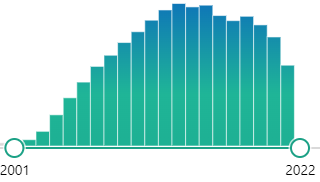
PubMed trend for published papers on siRNA


    Gene therapy is a hot topic in both genetics and pharmacology. It involves exploiting genetic pathways to treat disease by replacing a mutated gene, integrating a new gene, knocking a gene out, or silencing a gene. "This allows for an entirely new platform of drug targets outside of traditional small molecule targets such as enzymes and receptors.  Among the most prominent of these methods is gene silencing, a field in research and medicine that has started to come into its own and show results clinically. The method I will be discussing here - gene silencing via the use of small interfering RNA (siRNA) - requires small pieces of RNA that complement the mRNA transcript of the targeted gene in order to disable or "silence" expression of the gene.


Figure 1: "Gene Silencing by Design" Chemical and Engeering News, November 18, 2013 https://cen.acs.org/articles/91/i46/Gene-Silencing-Design.html

    siRNAs are administered as double-stranded RNAs, and then cleaved by endonucleases into single-stranded RNAs (Fig. 1). One of these strands is simply a "passenger" strand that is released and plays no further role. The other strand is the siRNA itself, a fragment of 21-25 nucleotides engineered to be complimentary to the messenger RNA (mRNA) of the targeted gene (Gavrilov & Saltzman, 2012). The siRNA interacts with key proteins such as DICER (an RNA-cleaving endoribonuclease) and Ago-2 (an RNA-binding protein which can mediate RNA degradation) to form a complex called the RNA-Induced Silencing Complex (RISC). When the siRNA, as part of the RISC complex, binds the target mRNA, the mRNA is cleaved. The cleaved mRNA is thus incomplete and non-functional, and will not be translated into protein (Lam, Chow, Zhang, & Leung, 2015). The transcription of the gene, therefore, does not serve its biological purpose and is functionally "silenced".


Figure 2.  The growth of siRNA-based therapeutics: Updated clinical studies" Biochemical Pharmacology, July 2021 (https://www.sciencedirect.com/science/article/abs/pii/S0006295221000289?via%3Dihub)
  

    The clinical applications of siRNA-based treatments are extensive. As of July of 2021, there are three siRNA-based drugs which have been approved by FDA with several being tested in clinical trials (Fig. 2). The first to be approved was Patisiran, an siRNA drug approved to treat transthyretin-mediated amyloidosis (hATTR). hATTR is caused by mutations in the gene coding for the transthyretin protein, which causes amyloid deposition in the central nervous system (CNS), heart, kidneys, and GI tract, leading to severe neuropathy, heart disease, and ulimately death. The siRNA drug disrupts expression of this protein, and significantly alleviates symptoms. The second siRNA drug approved for clinical use by the FDA was Givosiran. Givosiran is used as a treatment for acute hepatic porphyria (AHP), which causes accumulation of neurotoxic metabolites, leading to symptoms such as seizures, muscle weakness, tachycardia, and paralysis. Givosiran disrupts expression of the ALAS1 gene, reducing AHP-related "attacks" by 74% in clinical trials. Finally, the most recent FDA-approved drug was Lumasiran, which hit the market in November of 2020. Lumasiran is used to treat primary hyperoxaluria type 1 (PH1), a disease associated with hepatic enzyme deficiency and toxic metabolite accumulation. The primary symptom of the disease is excessive calcium oxalate forming kidney stones, leading to severe damage of the renal system and potential death due to systemic accumulation of oxalate. Lumasiran targets the gene transcript associated with a protein which synthesizes the precursor to oxalate, providing a 53-65% reduction in oxalate levels. Several drugs are currently being tested in clinical trials for their potential to treat a variety of diseases, including other hepatic diseases, familial hypercholesterolemia, hemophilia, kidney disease, glaucoma, and others (Zhang, Bahal, Rasmussen, Manautou, & Zhong, 2021).


Figure 3.  RNA Therapy: Current Status and Future Potential" Chonnam Medical Journal, May 2020
https://www.ncbi.nlm.nih.gov/pmc/articles/PMC7250668/


Clearly, siRNA therapeutics are a promising avenue in pharmacological research which have begun to realize their potential after gaining the interest of the biomedical research community in the late 1990's/early 2000's (Fig. 3). The results are impressive, and even more so is the fact that many of these treatments exhibit effects lasting months following a single treatment, due to the ability of the RISC to protect siRNAs from degradation (Kim, 2020). The merits of siRNA drugs are beginning to yield great advancements in gene therapy, and the number of siRNA- based products on the market is expected to grow significantly in the next decade. Clinical use of siRNA therapeutics is still in its infancy, but its role in the future of medicine is sure to be prominent.

By Henry Snider, A Master’s of Medical Science Student at the University of Kentucky


References

 Borman, S. (2013). Gene Silencing by Design. Chemical & Engineering News, 91(46).

Gavrilov, K., & Saltzman, W. M. (2012). Therapeutic siRNA: principles, challenges, and strategies. Yale J Biol Med, 85(2), 187-200.

 Kim, Y. K. (2020). RNA Therapy: Current Status and Future Potential. Chonnam Med J, 56(2), 87-93. doi:10.4068/cmj.2020.56.2.87

 Lam, J. K., Chow, M. Y., Zhang, Y., & Leung, S. W. (2015). siRNA Versus miRNA as Therapeutics for Gene Silencing. Mol Ther Nucleic Acids, 4, e252. doi:10.1038/mtna.2015.23

 Zhang, M. M., Bahal, R., Rasmussen, T. P., Manautou, J. E., & Zhong, X. B. (2021). The growth of siRNA-based therapeutics: Updated clinical studies. Biochem Pharmacol, 189, 114432. doi:10.1016/j.bcp.2021.114432